
Learning Scratch Programming for Kids, teaching children programming is becoming as essential as teaching them to read and write. One of the most effective and engaging ways to introduce programming to kids is through Scratch, a visual programming language developed by MIT. Scratch allows children to create interactive stories, games, and animations, fostering creativity while teaching valuable technical skills. In this article, we will explore five key advantages of learning Scratch programming for kids.
1. Encourages Creative Expression
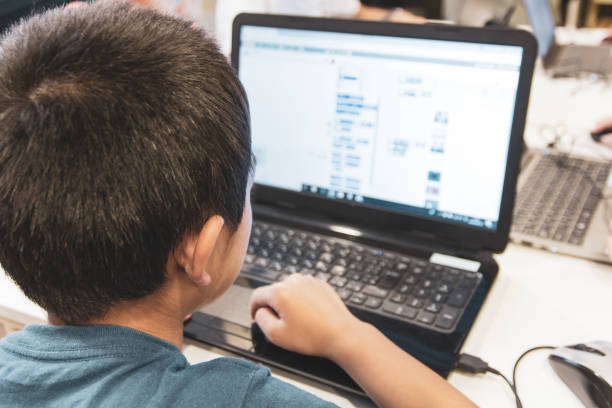
A Platform for Imagination
One of the most compelling aspects of Scratch is its emphasis on creativity. Kids can use Scratch to bring their ideas to life, whether it’s designing a game, creating an animated story, or producing interactive art. The platform offers a vast library of sprites, sounds, and backgrounds, allowing children to customize their projects extensively.
Building Confidence Through Creation
When children see their ideas manifest in a tangible form, it boosts their confidence. The sense of accomplishment they gain from completing a project encourages them to explore further and experiment with new concepts. This creative freedom fosters a love for learning and encourages them to think outside the box.
2. Develops Problem-Solving Skills
Logical Thinking
Learning to program in Scratch requires children to think logically and systematically. They must break down their ideas into smaller, manageable parts, which is a foundational skill in programming. As they work through challenges in their projects, they learn to approach problems methodically, testing and refining their solutions.
Debugging and Resilience
Scratch also teaches kids how to debug their projects when things don’t go as planned. Encountering and resolving errors is an integral part of programming. This process cultivates resilience, teaching children that failure is not a setback but an opportunity to learn and improve. Over time, they develop a mindset that embraces challenges rather than shying away from them.
3. Enhances Collaboration and Communication
Working Together on Projects
Scratch allows for collaborative projects, encouraging kids to work together to create games or animations. This teamwork promotes the sharing of ideas and skills, helping children learn from one another. They can give and receive feedback, fostering an environment of mutual support and learning.
Developing Communication Skills
As children collaborate on Scratch projects, they practice articulating their thoughts and ideas clearly. They learn to express complex concepts in a way that others can understand, enhancing their verbal and written communication skills. This ability to convey information effectively will serve them well in all areas of life.
4. Fosters Computational Thinking
Understanding Programming Concepts
Scratch introduces kids to fundamental programming concepts such as sequences, loops, and conditionals in a playful manner. By using blocks to represent different programming commands, children grasp these concepts without the intimidation often associated with traditional coding languages.
Building a Strong Foundation
The skills acquired in Scratch lay a solid foundation for future programming endeavors. Once children understand these core concepts, they can easily transition to more advanced languages like Python or Java. Scratch serves as a stepping stone, making it easier for them to grasp more complex programming paradigms in the future.
5. Prepare for Future Opportunities
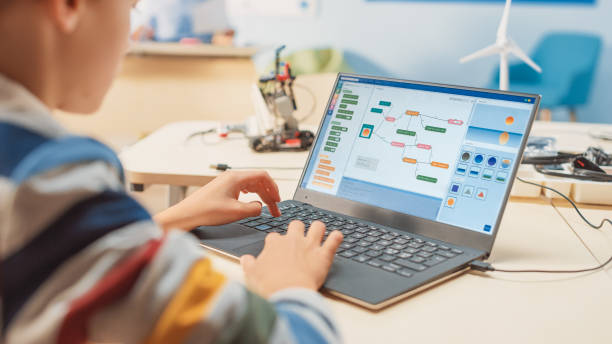
Digital Literacy
In today’s job market, digital literacy is increasingly important. Learning Scratch equips kids with essential skills that are relevant in many fields, from technology to design. As they become comfortable with programming, they gain an understanding of how software and applications are created, providing them with a competitive edge in an increasingly tech-driven world.
Career Exploration
Introducing kids to programming at an early age can spark an interest in technology-related careers. By experimenting with Scratch, children may discover a passion for coding, game design, or computer science. Early exposure opens doors to numerous career opportunities in the future, encouraging them to pursue fields they may not have considered otherwise.
Conclusion
Learning Scratch programming offers numerous advantages for kids, from encouraging creative expression and developing problem-solving skills to fostering collaboration and preparing them for future opportunities. As technology continues to shape our world, equipping children with these skills is essential for their success.
By integrating Scratch into education, parents and educators can provide children with a fun and engaging way to learn valuable skills that will serve them well throughout their lives. Whether as a hobby or a potential career path, the benefits of learning Scratch programming are far-reaching and impactful, helping to cultivate the next generation of innovators and creators.
